While the country was under lockdown, South African Revenue Service (SARS) and National Treasury have been hard at work, using this time to refine the law in SARS’ favour, says Roxanna Naidoo, admitted attorney at Tax Consulting South Africa. 

These changes do not refer to the Covid-19 tax relief changes, but are aimed at closing tax loopholes and to simply give SARS and the National Prosecuting Authority more teeth.

Ask your accountant or tax advisor to help you understand the amendments and their impact on your tax planning and tax compliance strategy, said Naidoo, alluding to a number of such amendments.

1. Raising of tax assessments by SARS simply using an estimate

SARS has had enough of taxpayers ducking and diving from their tax administration obligations. In terms of the new amendment, SARS has the power to raise an estimated assessment where the taxpayer does not respond to a request from SARS for relevant material, but this has been thought through carefully.

The law amendment also now ensures that taxpayers will be barred from lodging an objection if the taxpayer does not submit the material requested.

Should SARS have you on their radar or have questions subsequent to a lifestyle audit, ignoring a request for relevant material means SARS can raise an estimated assessment and impose penalties and interest.

Getting untangled from this, even where you are innocent, will become far more difficult. Make sure you take your accountant’s calls or respond to their emails, as adopting the ostrich approach will get you into deep trouble.


2. Employer provided bursaries

Are you an employer who has tax structured bursaries, including for relatives of your employees? Or perhaps an employee who has benefitted hereon in the past?

The law on this has been amended substantially and from 1 March 2021, using employer-provided bursaries as a mechanism to structure your remuneration from a tax perspective is no longer allowed.

These bursaries must be disclosed on your IRP certificate, and not doing so is a criminal offense. Thus, there is no place to hide hereon and this is truly something of the past. There are now very limited instances where this tax exemption can be utilised, as part of a tax optimal total reward strategy.


3. Withdrawal from retirement funds upon emigration

Have you emigrated or are you planning to emigrate from South Africa in the near future, with retirement funding in a pension preservation fund, provident preservation fund or retirement annuity fund?

You are on borrowed time if this is the case and you need to urgently finalise and file your financial emigration application, before 1 March 2021.

If you miss this deadline, your retirement funds will be locked-in for at least the next 3 years in South Africa.

We also expect more to come from the compulsory preservation of retirement funds, meaning the government may have the final say on how your retirement funds will be dealt with in future.


4. First good news item – unexpected tax relief for South Africans working abroad

Many expats were concerned that they would not make the 183-and-61 day tax exemption, as a result of the lockdown. SARS has kindly proposed to reduce, for a limited period, the 183 days requirement to 117 days.

This rule change creates interesting tax planning opportunities and requires a deeper look for anyone who was outside South Africa for more than 60 days continuously in 2019 or 2020.


5. Living Annuities and termination of trusts

The era of setting up personal trusts left right and centre has come to an end with the introduction of section 7C. There are still instances where old trusts make sense and limited instances where one’s objective is asset protection.

But if you think that creating a new trust will benefit you, perhaps you should get a second opinion from your accountant. You may sound important over dinner referring to your trust or even prevent your children from fighting over who gets the beach house, although inevitably they often still do.

But do not think for a second you will pay less tax, as the opposite is true. Where you have a trust with a living annuity, you need to be aware of the new law changes when considering the death of an annuitant.


6. Circumvention of the anti-avoidance rules for trusts

SARS has now amended the legislation in order to curb the abuse of the introduction of low interest or interest-free loans, advances or credits for trusts.

Just to rub salt in the wounds of those who still persist in thinking trust structures are tax-efficient, SARS has now shown that you need to stop listening to trust advisors who keep trying to find the next loophole. As SARS sees it, they will close it, leaving you with an overly complex trust structure that needs untangling.


7. Reimbursing employees for business travel

SARS has kindly relaxed their strict regulations when excluding business travel expenses. This is, however, subject to the employer’s policy provisions. Make sure your company travel policy is updated to utilise this tax relief.

This is very much part of the equal pay for equal work value methodology for responsible employers where employees were left with little recourse regarding these tax burdens due to an oversight or the employer’s failure to execute the instruction for reimbursement.


8. Roll over of amounts claimable under the employment tax incentive

Excesses of Employment Tax Incentive claims for non-compliant tax employers will now not be rolled over at the end of the PAYE reconciliation period. This is to protect taxpayers once they do become compliant.


9. Tax treatment of secured non IFRS 9 doubtful debt

If you own a business that has been negatively affected by Covid-19, you need to talk with your accountant regarding this change. SARS proposes to make provision for the amount of debt to be reduced, differentiating between taxpayers that apply IFRS9 and taxpayers that do not.


10. Potential tax avoidance caused by dividends deductions

Taxpayers were able to structure their investments in order to issue financial instruments to the investors that yield dividends, while it receives interest or other income on its financial assets, thus avoiding tax implications.

The new amendments now mean that taxpayers will no longer have the advantage of this loophole.


11. Refund need not be authorised where the matter is under criminal investigation

The proposed amendments further include that where you are subject to a criminal investigation in terms of the Tax Administration Act, any refund owed to you by SARS will be withheld pending the outcome of such investigation.

We can only hope this will not be abused by SARS officials, as we stand reminded by the fact that the Tax Ombud has found SARS guilty of delay tactics in paying refunds.


12. The most critical tax law change! Inclusion of the words  “Wilfully or negligently” in tax prosecution

Getting an admitted tax attorney involved on your taxes ensures legal privilege. SARS’ seemingly harmless inclusion of the words “willfully and negligently” when it comes to lesser tax offences increases liability for non-compliant taxpayers, with prosecution resulting in imprisonment or a hefty fine.

By not simply updating your details, forgetting to do something, or making an unintended error can now land you in real trouble.

Perhaps now is the time to take your tax administration and compliance extremely seriously, as SARS has just acquired its biggest ammunition yet to discourage non-compliance.


For information as to how Relocation Africa can help you with your Mobility, Immigration, Research, Remuneration, and Expat Tax needs, email info@relocationafrica.com, or call us on +27 21 763 4240.

Sources: [1], [2]. Image sources: [1], [2].

The Department of Health plans to launch a new digital screening pilot project which will allow travellers to complete a required travel health questionnaire (THQ) on their personal devices ahead of their arrival at ports of entry.

The move from paper-based screening systems to a digitized screening solution will take place in a phased approach, the department said.

“The web-based THQ platform will complement and strengthen the existing method of screening and surveillance at ports of entry, as a user-friendly tool allowing travellers to complete the travel health questionnaire on their personal devices prior to their travel,” it said.

How it works

The web-based travel screening solution will allow travellers to complete their travel and symptomatic information at any time from two days ahead of their journey to ensure that the exposure and symptoms information provided is relevant.

Once completed, the traveller will receive a unique number (look-up ID) which they will present to the Port Health official at the respective port of entry to proceed with the screening process.

Over time, as more travellers use this system it can save them time and help fast-track screening at ports of entry.

The department said it will introduce through a pilot, a digitized screening system for international travellers arriving and departing from South Africa.

As of the 17 December 2020, international travellers arriving at O.R Tambo International Airport, those departing from Cape Town International Airport, those entering the country through Beit Bridge land border and those exiting through Maseru Bridge land border will be expected to complete the web-based THQ.

The paper-based system for Covid-19 screening will continue to be in operation at all other operational ports of entry, the department said.

“This system will play a critical role in assisting Port Health with managing travellers, identifying potential high-risk travellers and to respond effectively.”

Security of personal information was one of the top priorities throughout the development of this system. Accordingly, best practice guidelines as per the POPI Act are followed to protect all traveller’s personal information at all times.

Why it’s being introduced 

The department said that the travel system will provide ‘additional armour’ to better manage and survey travellers to prevent importation and exporting of the virus.

The system will also provide better data collection and storage which can be helpful with identifying potential high-risk travellers, it said.

“An algorithm that helps determine the risk profile of travellers is embedded in the system. In the event of a positive case, the system will assist with identifying potentially exposed travellers who were in proximity to the positive case, further assisting with better contact tracing.”

The department said that the new travel system will go live from midday on 15 December to allow travellers to complete the web-based form ahead of their travel, It can be accessed through this link.

Travellers who have already booked their tickets can still access the web-based THQ at any time after the system goes live, the department said.

It added that travellers will still be subjected to the screening protocols in ports of entry, including temperature screening and are still required to present a negative Covid-19 PCR test result obtained not more than 72 hours from time of departure.

Travellers arriving into South Africa are also required to download the Covid Alert SA application on their mobile phones.


For information as to how Relocation Africa can help you with your Mobility, Immigration, Research, Remuneration, and Expat Tax needs, email info@relocationafrica.com, or call us on +27 21 763 4240.
Sources: [1], [2]. Image sources: [1], [2].

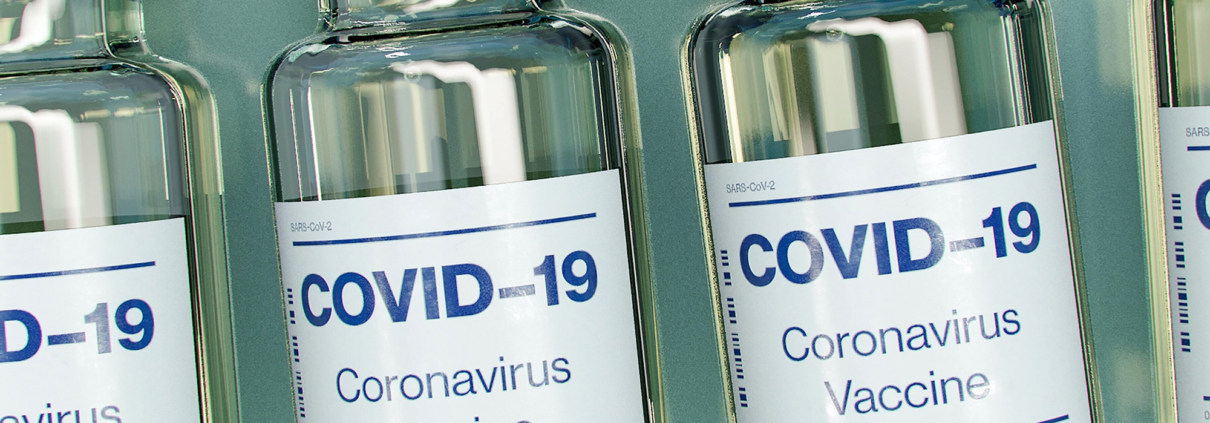
South Africa is set to produce its first vaccine in 25 years, but it won’t be a Covid-19 jab. Plans are, however, in place to ‘fill and finish’ Covid-19 vaccines in South Africa.

Aspen Pharmacare will not produce Johnson & Johnson’s Covid-19 vaccine itself in South Africa. Instead, Aspen will be one of six sites globally responsible for putting the vaccine into vials and packing the jabs for distribution, Johnson & Johnson Chief Scientific Officer, Paul Stoffels, confirmed late on Tuesday.

Vaccines go through several different stages from the time they are formulated until they reach clinic shelves. The most complicated phases involve actually creating the vaccine solution. The last and final stage, in which prepared vaccines are filled into vials and packaged for delivery, is often called “fill and finish”.

No plant in South Africa has produced a vaccine itself in 25 years, Biovac Institute CEO, Dr Morena Makhoana says. Biovac is a public-private partnership created in 2003 to revive vaccine production in South Africa after the country stopped producing vaccines locally in the 1990s.

Instead, Aspen and Biovac have historically focused on procuring and distributing jabs or filling and finishing them — as Aspen will do for Johnson & Johnson’s candidate vaccine. The duo is the only two firms working in the vaccine field locally.

Stoffels explains that building new Covid-19 vaccine capacity in South Africa and elsewhere would have taken three to five years. Instead, to quickly meet the demand for the vaccine, Johnson & Johnson will produce the vaccine at three existing plants before shipping it to six centres across the world, including Aspen’s Port Elizabeth factory, for fill and finish.

Johnson & Johnson’s experimental Covid-19 vaccine is in the late stages of human testing, which includes trials in South Africa. Stoffels says the firm expects to know in late January 2021 whether the jab works to protect people from becoming infected with the new coronavirus or developing serious Covid-19 disease.

Stoffels says that about half of Johnson & Johnson’s costs to develop its Covid-19 vaccine have been covered by the United States government, which is one of the reasons the firm will offer the jab at cost during the emergency phase of the pandemic. It has also set aside 500 million doses for the COVAX initiative.

Could South Africa produce a Covid-19 vaccine?

There are almost 350 experimental Covid-19 vaccines in development, according to the United Kingdom’s science analytics company, Airfinity. The World Health Organisation (WHO) says only about four dozen jabs have entered human clinical trials.

Airfinity CEO, Rasmus Bech Hansen, says Covid-19 vaccines fall into one of four main categories. Some jabs like Johnson & Johnson’s vaccine use harmless viruses to deliver proteins into the body and hopefully trigger an immune system response. Others — such as the Novavax vaccine trialled by Wits University — pair sterilised coronavirus proteins or parts of proteins with an immune booster to help the body create Covid-19 fighting antibodies. This kind of vaccine is sometimes called a protein sub-unit jab.

Aspen and the Biovac Institute executives say that one day their firms could produce three out of the four main types of Covid-19 vaccines.

Aspen CEO, Stephen Saad told Spotlight that its Eastern Cape plant could eventually manufacture vaccines, like Johnson & Johnson’s experimental FCovid-19 vaccine, that are often called “viral vector” vaccines.

Biovac, meanwhile, could potentially one day produce Covid-19 jabs such as Novavax as well as the Pfizer/BioNTech vaccine, which uses genetic material produced in labs to trick the body into thinking the coronavirus is present and developing an immune response.

The Coalition for Epidemic Preparedness Innovations (CEPI) is working to secure poorer countries’ access to vaccines via an initiative called COVAX. CEPI has identified Biovac as a potential vaccine producer but has not entered into any formal agreements with the institute, CEPI told Spotlight.

Actually producing a Covid-19 vaccine on local soil will mean that larger pharmaceutical companies such as Johnson & Johnson will have to share some of their vaccine-making know-how with local companies, a process called technology transfer.

No quick and easy path to local production

It has taken the Biovac Institute almost 20 years to produce a vaccine from start to finish in the country. It can take anywhere from three to five years and as much as R8.9-billion to build plants to produce certain types of vaccine solutions and Makhoana says financing has been an issue.

But Biovac announced in November that it would soon begin locally producing drug firm Sanofi Pasteur’s six-in-one vaccine to protect children against illnesses such as polio, tetanus and hepatitis B.

The move follows eight years of work with the vaccine’s developer, Sanofi, to transfer the technology needed to produce the six-in-one jab in South Africa and for the local market, Makhoana says.

Johnson & Johnson has entered into a technology transfer agreement with Aspen to fill and finish its Covid-19 vaccines. Aspen declined to release details on the deal.

However, Doctors Without Borders (MSF) Access Campaign Advocacy Officer, Candice Sehoma says the agreement is more of a manufacturing deal than a meaningful transfer of technology that would bolster local production. And, she says, the deal may not guarantee South Africa better access to a Covid-19 vaccine.

“Yes, Aspen will be doing the fill and finish, but at the end of it, Johnson & Johnson still holds the intellectual property rights on that vaccine. They get to determine who, where and how their vaccine is distributed,” she told Spotlight. “Knowing that high-income countries have secured most of the [world’s] vaccines, it really leaves much in question as to… will whatever is being filled and finished locally stand to benefit South Africa and the continent.”

The United States, European Union and India alone purchased more than four billion doses of experimental Covid-19 vaccines before any jab had been shown to work, according to an analysis by Duke University in the United States.

Showdown over Covid-19 patents expected at World Trade Organisation

Meanwhile, South Africa and India have submitted a joint proposal to the World Trade Organisation (WTO) that would allow countries to waive some intellectual property rights on Covid-19 medicines, vaccines, masks, ventilators and other materials for the duration of the pandemic. Some similar provisions already exist in international trade law, but are difficult to use in practice.

However, the WHO-backed proposal — expected to be discussed at the WTO on Thursday — is facing stiff opposition from countries and the pharmaceutical industry.

The United States, United Kingdom, and Japan — who were among the first countries to buy massive amounts of Covid-19 vaccines — were among nations opposing the patent waiver by October.

Stoffels says that there are more immediate barriers to scaling up access to Covid-19 vaccines than technology transfers or patents. He explains it has been difficult to even ensure Johnson & Johnson’s manufacturing plants have the new technology needed to produce its experimental Covid-19 vaccine.

“We are developing a new production technology and scaling up [production] all at the same time,” he says while adding that the technology is still evolving. “We don’t even have enough people to do our own tech transfers to our own manufacturing facilities. We have had to find the people,” he says.

“Maybe there’s time for [that kind of tech transfer] in the next five to 10 years but at the moment, we’re focused on getting the technology stable ourselves to make sure we can supply next year.”

But speaking earlier this year, MSF’s Access Campaign Senior Vaccines Policy Adviser, Kate Elder, says she believes that the world can ramp up vaccine manufacturing while also removing patent-related barriers for future production.

“Nobody is under any naïve pretence that if there was no intellectual property then everybody is going to be able to produce vaccines,” Elder said in October. “Let’s be clear: It’s difficult to develop vaccines, and it’s difficult to manufacture them… but there is tremendous capacity in places like India and Brazil,” she said.

“You can expand manufacturing capacity and [ensure] intellectual property barriers aren’t a hindrance for any manufacturer that has the capacity to produce quality-assured, future Covid-19 vaccines.”

Airfinity predicts that access to vaccines will help curb outbreaks in the United States by March, followed by Canada, the United Kingdom and the European Union later next year. India and China are expected to follow suit in 2022.

“There’s more uncertainty around the rest of the world,” Bech Hansen says. “It really depends on the results of upcoming trials and the availability of large-scale production facilities.”


For information as to how Relocation Africa can help you with your Mobility, Immigration, Research, Remuneration, and Expat Tax needs, email info@relocationafrica.com, or call us on +27 21 763 4240.

Sources: [1], [2]. Image sources: [1], [2].

South Africa’s economy has staged a solid recovery in the third quarter – with every single sector growing after the devastation of the second quarter, when the country was basically shut down in the first phase of lockdown.

Manufacturing, trade and mining saw strong growth, and there was also a notable jump in construction work, after eight straight quarters of contractions, says Momentum economist Sanisha Packirisamy.

The economy grew by 13.5% compared to the previous quarter, after a massive 17.5% contraction in the second quarter. Still, the latest GDP data shows that, after the first three quarters of the year, the South African economy was 7.9% smaller than a year ago.

Some sectors have been absolutely decimated by the lockdown and the pandemic’s impact on demand, given mass retrenchments and continuing uncertainty. The construction sector, for example, shrank by 20% in the first nine months of the year. Manufacturing (-15%) also contracted while trade, catering and accommodation – which includes the ravaged tourism and restaurant industries – shrank by almost 11%.

There are only two sectors that actually grew in the first nine months of this year: government services (+0.8%) and agriculture, which is now 11% bigger than a year ago. The sector boomed this year thanks to bumper summer crops, strong exports and solid prices.

After a lean 2019 due to foot-and-mouth disease and various droughts, good rains have fallen in many parts of the country this year. The country’s 2020/21 winter barley and canola harvests are expected to be the largest on record, while wheat production is predicted to reach a 19-year high, and the maize harvest is expected to be a third bigger than last year.

Exports of various produce have also been strong. For example, South Africa may export almost 10 billion pieces of citrus fruit this year, in what is expected to be one of the best seasons on record. This was thanks to a solid local harvest – but also strong demand, especially in Europe, for vitamin C as the coronavirus caused consumers to become more conscious of protecting their immune systems.

Maize exports increased by 235% to 963,441 tons in the third quarter, compared to the same period last year, reports Paul Makube, Senior Agricultural economist at FNB Agri-Business. “On the back of a bullish weather outlook with the La Niña pattern having taken hold above 90% chance for Southern Africa, agriculture’s outlook for the year ahead is even more positive,” says Makuba. La Niña, a weather pattern that begins in the Pacific Ocean, usually brings more rain to South Africa.

The preliminary intentions to plant report for summer crops indicates a 5% increase in planted area for the 2020/21 season to 4.15 million hectares. “This is likely to increase further in subsequent reports given the high commodity prices and better production conditions.”


For information as to how Relocation Africa can help you with your Mobility, Immigration, Research, Remuneration, and Expat Tax needs, email info@relocationafrica.com, or call us on +27 21 763 4240.

Sources: [1], [2]. Image sources: [1], [2].