Nigeria and Angola, the two African countries hit hardest by falling oil prices, have the highest number of hotels in the development pipeline this year, BusinessDayLive reported.

Global and domestic hotel chains are investing more than ever in Africa, but Zimbabwe-listed hospitality group, African Sun, has laid off nearly 250 employees citing dwindling tourist numbers, lower room rates and the country’s deteriorating economic environment.

African Sun transitioned it business model from a hotel operating company to a hotel investment management company in October, according to Daily News. The average daily room rate fell 5 percent from $98 in 2015 to $93, said African Sun managing director, Edwin Shangwa.

There are 64,000 African hotel rooms in the development pipeline this year, according to an industry survey compiled by the Lagos-based W Hospitality Group, BusinessDayLive reported.

That’s 30 percent more development activity than 2015 and more than twice the development pipeline in 2009. However more than 30 percent of the hotel deals signed between 2009 and 2013 have still not been opened, mainly due to the lack of finance, said Trevor Ward, W Hospitality Group’s managing director.

Carlson Rezidor, one of the world’s largest hotel groups with headquarters in Minneapolis and Belgium, is delivering.

Source

  • The African Union is on track in realizing a borderless continent to promote the free movement of citizens and goods, leading to development.
  • One of the Africa’s Agenda 2063 is to create “a continent with seamless borders” to promote the free movement of citizens and goods.

    The plan to initiate the new electronic African Union (AU) passport seems to be taking shape as the first Africans to be issued with the electronic passport (e-Passport) will be the heads of state from across Africa who will arrive in Kigali, Rwanda next month. The leaders will be attending the African Union Summit.

    The flagship project, first agreed upon in 2014, is part of the framework of Africa’s Agenda 2063 and is aimed at facilitating free movement of persons, goods, and services around the continent – in order to foster intra-Africa trade, integration, and socio-economic development. The AU said in a statement that the e-Passport will be launched at the 27th AU Summit in Kigali in July.

    According to the Chairperson of the African Union Commission (AUC), Dr Nkosazana Dlamini Zuma, this initiative is both “symbolic and significant,” calling it a “steady step toward the objective of creating a strong, prosperous and integrated Africa, driven by its own citizens and capable of taking its rightful place on the world stage.”

Source

Asylum seekers The Citizen spoke to said ‘it seems to be up to your luck if you get asked to go to the “deportation room”‘.

According to two Malawian brothers who have been living in South Africa for more than 10 years, home affairs is “’randomly deporting” Malawians and Zimbabweans, and perhaps people of other nationalities too.

One of the brothers, Andy (not his real name), told The Citizen how, earlier this month, he and his brother went to the home affairs offices at the showgrounds in Pretoria to have their asylum-seeker papers stamped to allow them to live and work in South Africa legally for another three months. He claimed that he was then “sent into a different room than my brother. He got his papers stamped, but I was asked to wait in this other room; it was me and some other guys, about 15 of us. Our names were called from behind a section. They said ‘just sign these papers’, and we signed before we could read what was going on there. It was something like a letter and it was in my folder with all my papers from, like, 2010.

“We were told to wait. I wanted to know what was happening, so I walked out of the room and found an official, another woman, sitting somewhere else.

Source

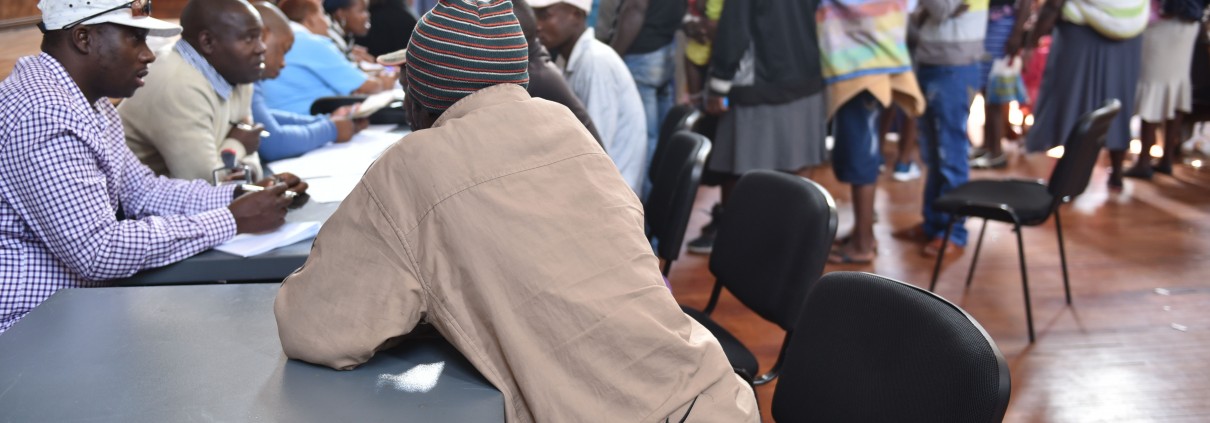
Charities, or NGOs, working in Kenya risk losing their licenses if they fail to comply with new tough rules about employing foreigners.

The authorities say that, with some exceptions, foreigners should not be employed if there are Kenyans who can do the job.

The large disparity between what foreigners and Kenyans can earn has also been criticised.

An estimated 240,000 people work for NGOs in Kenya, mostly local staff.

Kenya is a regional hub for NGOs, with aid agencies working in countries from Democratic Republic of Congo to South Sudan based in the country.

Charities play a large role in providing essential services in Kenya, observers say, with some running schools and clinics.

One international NGO told the BBC that higher pay for foreigners was essential as they are working far from home.

Source